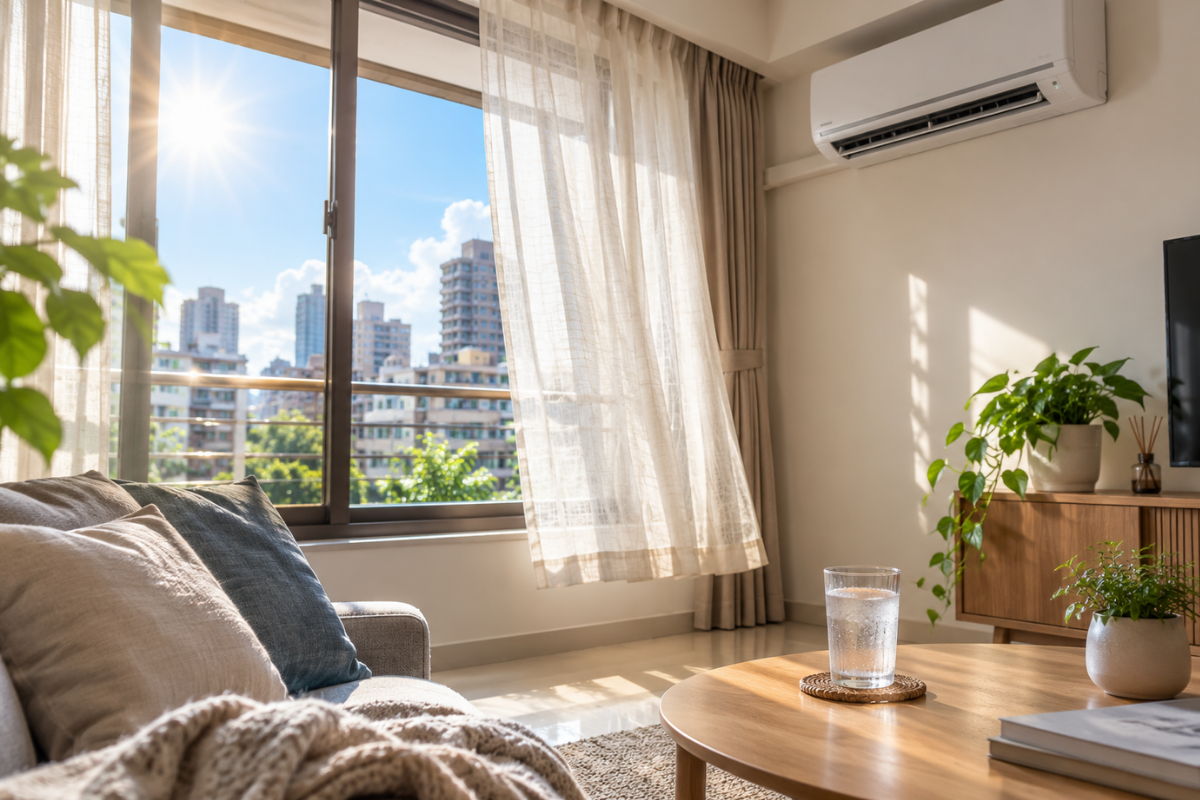
Yesterday, I was chatting with a Japanese friend when she told me that the air conditioner in her home had broken down.
The weather has been extremely hot lately, making the heat indoors almost unbearable. To make matters worse, her new air conditioner won’t be delivered and installed until the end of the month. That means she still has to endure the heat for more than ten days.
I was curious:
“Why does it take so long?”
She explained that many people in Japan are currently waiting to have new air conditioners installed. With prices continuing to rise, people are worried that air conditioners may become even more expensive in the future. As a result, many are taking the opportunity to replace their old units now, creating a long waiting list for installation.
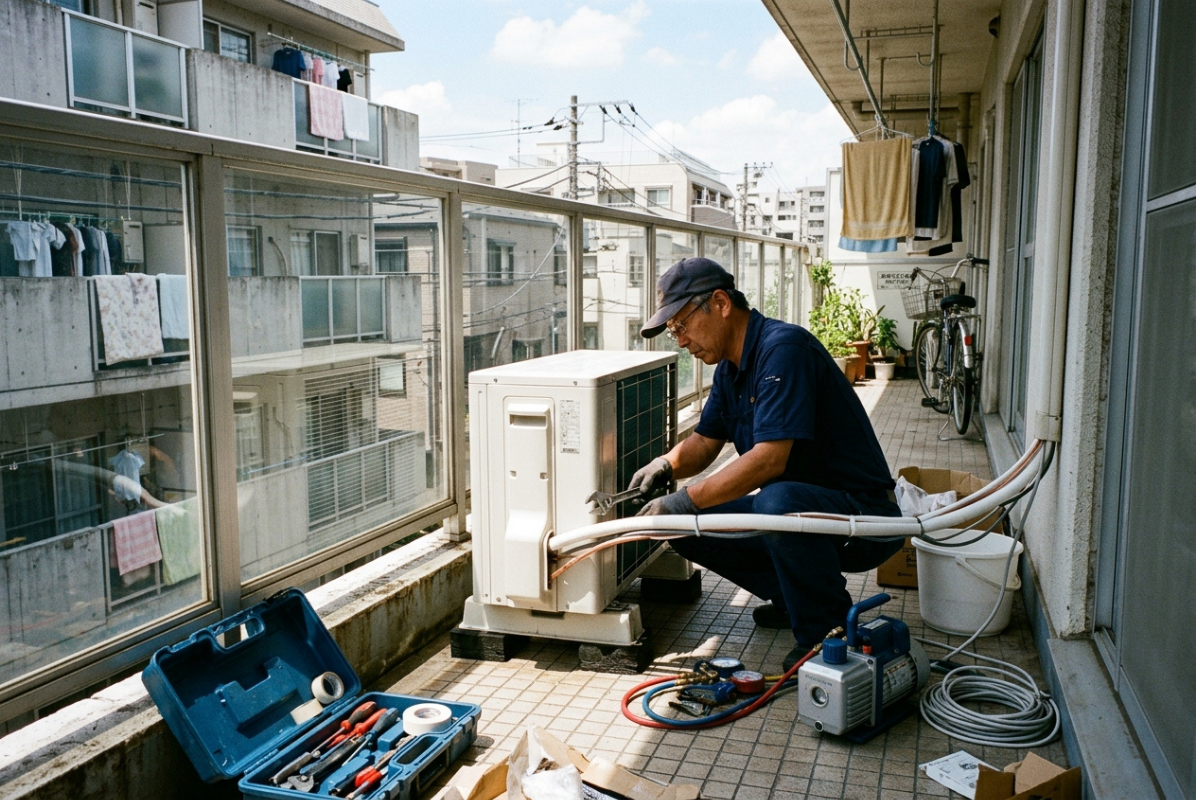
Summer is also one of the busiest seasons for air-conditioner installation.
Recently, I’ve also seen quite a few news reports from Japan about people becoming ill or even being taken to the hospital because of extreme heat.
As summer temperatures become increasingly difficult to tolerate, having air conditioning seems to be more than just a matter of comfort. It is gradually becoming a practical necessity during the hottest months of the year.
In Taiwan, there have also been subsidies and energy-saving programs encouraging people to replace older air conditioners.
We took the opportunity to replace two of ours with inverter models.
They certainly made the house more comfortable, although our electricity bill has gone up quite a bit this year as well.
Sometimes I think air conditioning has become a kind of “necessary evil” in modern life.
I even joked with my friend that perhaps modern humans have evolved into:
people who need machines just to survive the summer.
Joking aside, however, the effects of extreme heat are much more serious than higher electricity bills.
I often think about temperate regions where summers used to be relatively mild and many homes were built without air conditioning. When an intense heat wave suddenly arrives, people may not have the equipment or living environment needed to cope with it.
Another concern during periods of extreme heat and drought is wildfires.
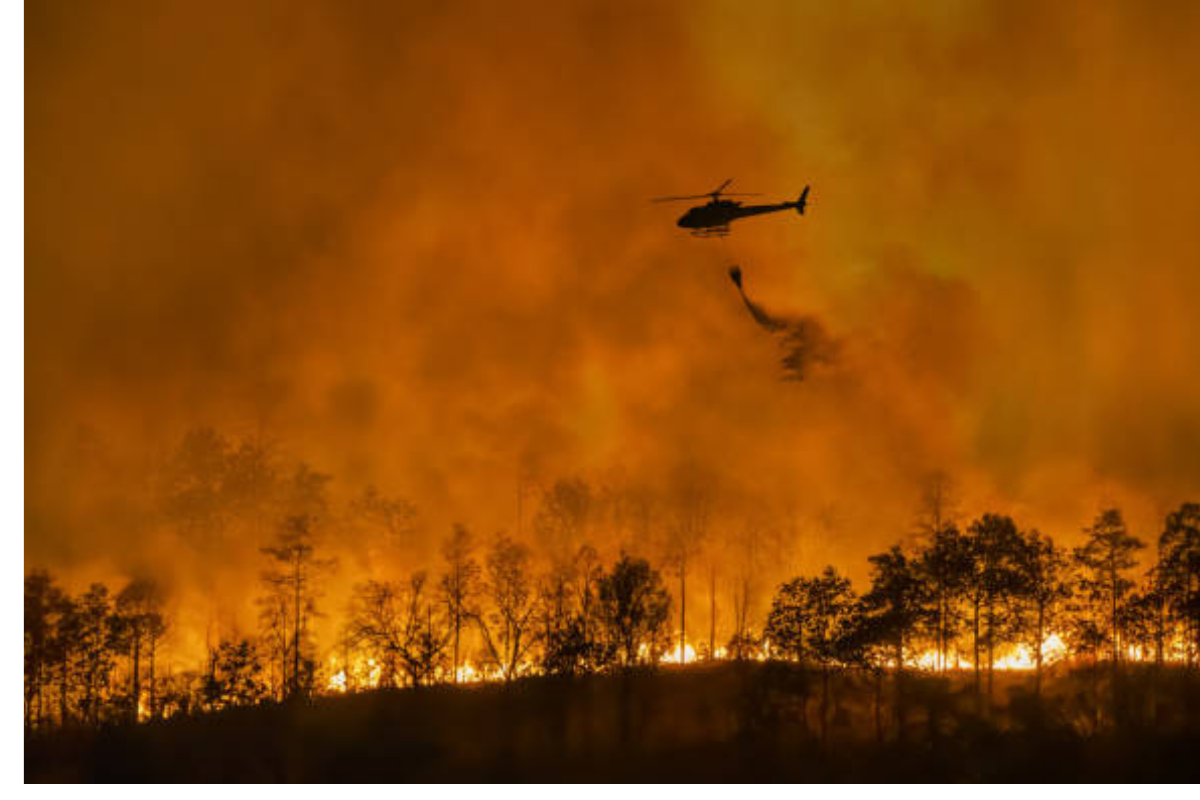
When heat waves, droughts, and wildfires arrive one after another, summer heat becomes much more than a question of comfort.
Watching news footage of huge areas of forest being swallowed by flames, with firefighting helicopters repeatedly dropping water from above, the amount of water sometimes seems painfully small compared with the vast fire below.
The summers of recent years seem to keep reminding us that the climate we once took for granted is gradually changing.
And that has made me think seriously about a very ordinary, practical question:
While energy-saving subsidies are still available in Taiwan, should we gradually replace the other old air conditioners in our home with more energy-efficient inverter models?
After all, air conditioning may no longer be simply an appliance we turn on because we “don’t like the heat.” It is gradually becoming part of how we prepare for increasingly hot summers.
Chinese Vocabulary
Here are some useful Chinese words and expressions from this article.
| Chinese | Pinyin | English |
|---|---|---|
| 冷氣 | lěngqì | air conditioner / air conditioning |
| 冷氣壞了 | lěngqì huài le | the air conditioner broke down |
| 安裝冷氣 | ānzhuāng lěngqì | to install an air conditioner |
| 換冷氣 | huàn lěngqì | to replace an air conditioner |
| 變頻冷氣 | biànpín lěngqì | inverter air conditioner |
| 老舊冷氣 | lǎojiù lěngqì | old / aging air conditioner |
| 電費 | diànfèi | electricity bill |
| 節能 | jiénéng | energy saving |
| 節能補助 | jiénéng bǔzhù | energy-saving subsidy |
| 物價上漲 | wùjià shàngzhǎng | rising prices / inflation |
| 高溫 | gāowēn | high temperature |
| 極端高溫 | jíduān gāowēn | extreme heat |
| 熱浪 | rèlàng | heat wave |
| 中暑 | zhòngshǔ | heatstroke |
| 乾旱 | gānhàn | drought |
| 森林野火 | sēnlín yěhuǒ | wildfire / forest fire |
| 消防直升機 | xiāofáng zhíshēngjī | firefighting helicopter |
| 全球暖化 | quánqiú nuǎnhuà | global warming |
Useful Chinese Expressions
家裡的冷氣壞了。
Jiālǐ de lěngqì huài le.
The air conditioner at home broke down.
新冷氣要到月底才能安裝。
Xīn lěngqì yào dào yuèdǐ cái néng ānzhuāng.
The new air conditioner can’t be installed until the end of the month.
最近等待安裝冷氣的人很多。
Zuìjìn děngdài ānzhuāng lěngqì de rén hěn duō.
A lot of people are waiting to have air conditioners installed these days.
我們家換了兩台變頻式冷氣。
Wǒmen jiā huàn le liǎng tái biànpínshì lěngqì.
We replaced two of our air conditioners with inverter models.
今年夏天真的太熱了。
Jīnnián xiàtiān zhēn de tài rè le.
This summer is really too hot.
今年的電費也增加了不少。
Jīnnián de diànfèi yě zēngjiā le bù shǎo.
Our electricity bill has also gone up quite a bit this year.
台灣現在有節能補助。
Táiwān xiànzài yǒu jiénéng bǔzhù.
Taiwan currently offers subsidies for energy-efficient appliances.
最近常看到熱浪和森林野火的新聞。
Zuìjìn cháng kàndào rèlàng hé sēnlín yěhuǒ de xīnwén.
I’ve been seeing a lot of news about heat waves and wildfires lately.
Useful Chinese Sentence Patterns
1. 趁著……,……
趁著台灣還有節能補助,把老冷氣換掉。
Chènzhe Táiwān hái yǒu jiénéng bǔzhù, bǎ lǎo lěngqì huàn diào.
Take advantage of Taiwan’s energy-saving subsidies while they are still available and replace the old air conditioner.
趁著…… is used when you take advantage of a particular opportunity, situation, or period of time to do something.
For example:
趁著天氣好,我們出去走走吧。
Chènzhe tiānqì hǎo, wǒmen chūqù zǒuzou ba.
Let’s go out for a walk while the weather is nice.
2. 不只是……,而是……
冷氣已經不只是舒適的問題,而是夏天很實際的生活需求。
Lěngqì yǐjīng bù zhǐshì shūshì de wèntí, érshì xiàtiān hěn shíjì de shēnghuó xūqiú.
Air conditioning is no longer just a matter of comfort; it has become a practical necessity during the summer.
不只是 A,而是 B means “not just A, but B.”
For example:
學語言不只是背單字,而是學習怎麼和別人溝通。
Xué yǔyán bù zhǐshì bèi dānzì, érshì xuéxí zěnme hé biérén gōutōng.
Learning a language isn’t just about memorizing vocabulary; it’s about learning how to communicate with other people.
3. 一年比一年……
夏天似乎一年比一年熱。
Xiàtiān sìhū yì nián bǐ yì nián rè.
Summers seem to be getting hotter year after year.
一年比一年 + adjective describes something that progressively changes from year to year.
For example:
孩子一年比一年高。
Háizi yì nián bǐ yì nián gāo.
The child gets taller every year.
4. 玩笑歸玩笑,……
玩笑歸玩笑,極端高溫帶來的影響其實非常嚴重。
Wánxiào guī wánxiào, jíduān gāowēn dàilái de yǐngxiǎng qíshí fēicháng yánzhòng.
Joking aside, the effects of extreme heat are actually very serious.
玩笑歸玩笑 is similar to “joking aside” or “all jokes aside.”
It is often used when you have just said something humorous but then want to return to a serious point.
For example:
玩笑歸玩笑,安全還是最重要的。
Wánxiào guī wánxiào, ānquán háishì zuì zhòngyào de.
Joking aside, safety is still the most important thing.